Way Cool Plumbing & Air
← Blog·Plumbing·

Test Before You Buy: Why Water Testing Comes First

White crust on the faucets, spots on the shower glass, an odd taste at the kitchen sink. Those are three different problems, and the equipment that fixes one doesn't fix the others.

Test Before You Buy: Why Water Testing Comes First

QUICK ANSWER

Water testing identifies which specific characteristics of your water are causing the problem you've noticed, so treatment can be matched to it. Hardness, sediment, chlorine taste and odor, and dissolved solids are distinct issues addressed by different equipment. Testing hardness and TDS on site before specifying a softener, filter, or reverse-osmosis system prevents buying equipment that doesn't target your actual complaint.

The most common way people shop for water treatment is backwards. They decide they want a system, then find out what it does.

The trouble is that "my water is bad" describes at least four unrelated problems. Scale is not sediment. Sediment is not chlorine taste. And what you want out of the water you shower in isn't necessarily what you want out of the water you drink. Starting with the complaint — and then measuring — gets you a much better outcome than starting with a brochure.

Start with what's actually bothering you

Before anyone talks equipment, it's worth being specific about the symptom. Homeowners usually come to us with one of these:

  • Scale — white crust on faucets and showerheads, spots on glass, buildup inside the water heater
  • Taste or odor — something noticeable at the kitchen tap
  • Sediment — visible particles, cloudiness, clogged aerators
  • Dry skin, laundry, appliances — a household-feel complaint rather than a visible one

These have different causes and different fixes. Answering "which of these is it" narrows the conversation faster than any product comparison.

Hard water leaves the most obvious clues

Phoenix-area homeowners know the white mineral buildup well. Around faucets, on showerheads, on glass shower doors, inside the water heater, on dishes, around fixtures.

Hardness minerals stay behind as water evaporates or gets heated. That scale isn't only a cleaning annoyance — over time it affects fixtures, cartridges, and water-using equipment. We covered what that does to a plumbing system in why Phoenix has hard water and what it does to your plumbing.

If scale is your complaint, hardness is the number that matters, and it's measurable in about two minutes.

What the numbers actually tell us

An on-site test gives us hardness in grains per gallon or parts per million, and total dissolved solids. Those two readings do most of the work.

Hardness drives softener sizing — and sizing genuinely matters. An undersized softener regenerates constantly, burns through salt, and never quite delivers soft water. An oversized one sits idle between cycles. The right size is a calculation built from your hardness reading, household size, and usage, not a guess from square footage.

TDS tells us about dissolved content that softening doesn't address, which is usually where the drinking-water conversation begins.

Different goals for different taps

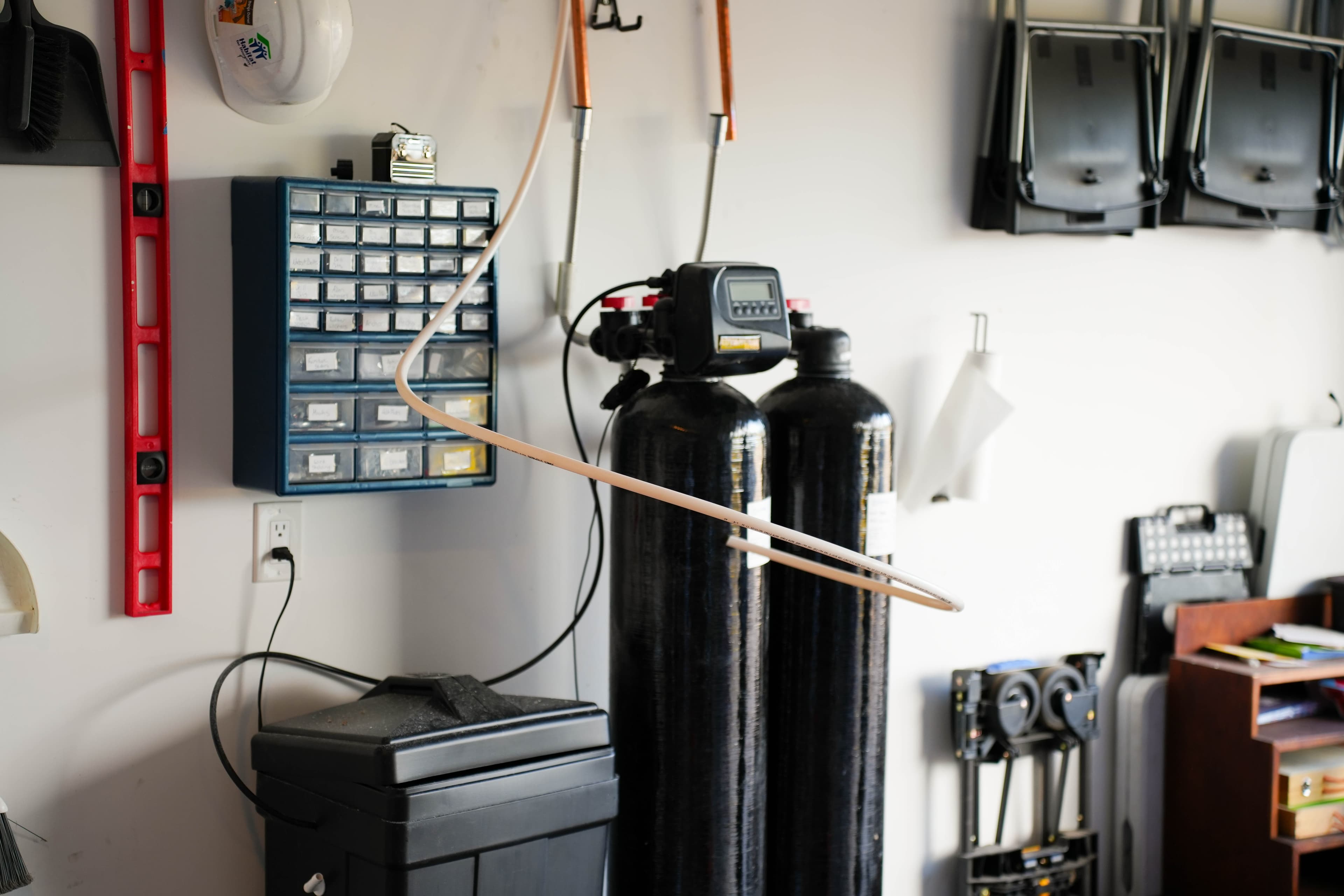
Here's the distinction that saves people money: the treatment goal for the water in your showers, laundry, toilets, and water heater isn't the same as the goal for the water in your drinking glass.

Whole-home treatment protects fixtures and appliances across the house. Point-of-use treatment at the kitchen sink handles taste and drinking quality. Many homes end up with a combination, and plenty of homes only need one. Which combination is right for you depends on your test results and which complaint you're actually trying to solve — we break the equipment options down in water softener vs whole-home filtration.

Why we'd rather measure than sell

Asking for "the best filter" doesn't give us enough to work with, because best depends entirely on what you're trying to improve. A system perfectly matched to someone else's water can be the wrong purchase for yours.

So we test hardness and TDS on site, at no charge, before recommending anything. You get real numbers, we get enough information to size equipment correctly, and nobody buys a system that targets a problem they don't have.

Frequently Asked Questions

Why should I test my water before buying a softener?

Because hardness drives sizing. An undersized softener regenerates constantly and never delivers consistently soft water, while an oversized one sits idle. The correct size comes from your actual hardness reading, household size, and water usage.

Is a water softener the same as a water filter?

No. A softener primarily targets hardness minerals like calcium and magnesium. Filtration systems address different concerns depending on the media used — sediment, taste, odor, chlorine. They solve different problems.

Why do my Phoenix faucets get white buildup?

Hardness minerals remain behind as water evaporates, creating visible scale around faucets, showerheads, and fixtures. It's the most recognizable symptom of hard water and the one most homeowners notice first.

Do I need whole-home filtration and reverse osmosis?

Possibly, depending on your goals. Whole-home treatment protects fixtures, appliances, and the water heater across the house. Point-of-use reverse osmosis at the kitchen sink targets drinking and cooking water. They do different jobs, and plenty of homes only need one.

What does a water test measure?

An on-site test gives you hardness and total dissolved solids — the two readings that drive most treatment decisions. Way Cool tests both at no charge before recommending or sizing any equipment.

Not sure what your Phoenix home actually needs? We'll test your water on site, show you the numbers, and match the treatment to the real problem instead of guessing. Schedule with Way Cool Plumbing & Air or call (623) 250-6492. Stay Cool with Way Cool.

Got more questionsOr Want a Quote?

Schedule online or call. $89 service call, waived with any approved repair.

Call (623) 250-6492
CALL