Why did my electric bill suddenly go up in Phoenix?
Common causes include hotter weather, longer AC runtime, dirty filters, equipment problems, duct leakage, insulation issues, thermostat changes, utility rate changes, or higher household usage.
A sudden energy bill spike can come from HVAC problems, duct leakage, insulation issues, water heater problems, thermostat changes, or utility rate changes.
QUICK ANSWER
A Phoenix energy bill can spike because of hotter weather, longer AC runtime, dirty filters, failing equipment, duct leakage, poor insulation, thermostat changes, water heater problems, pool equipment, or changes in utility rates or usage. A whole-home evaluation can identify whether the issue is HVAC, plumbing, or home performance.
A high energy bill has a special way of arriving like a rude letter from the future. One month you are living normally, the next month your utility bill looks like it has developed ambitions. In Phoenix, high bills often point to cooling demand, but HVAC is not the only suspect. Duct leakage, attic insulation, air leakage, water heater problems, thermostat changes, and household usage can all contribute.
Compare the billing period to previous months and the same month last year. Was the weather hotter? Were more people home? Did thermostat settings change? Was there more laundry, showering, cooking, or pool equipment use? Sometimes the bill is high because usage was high. Annoying, but at least logical.
The AC is usually the largest summer energy user in a Phoenix home. Small problems can become expensive quickly when the system runs for hours every day.
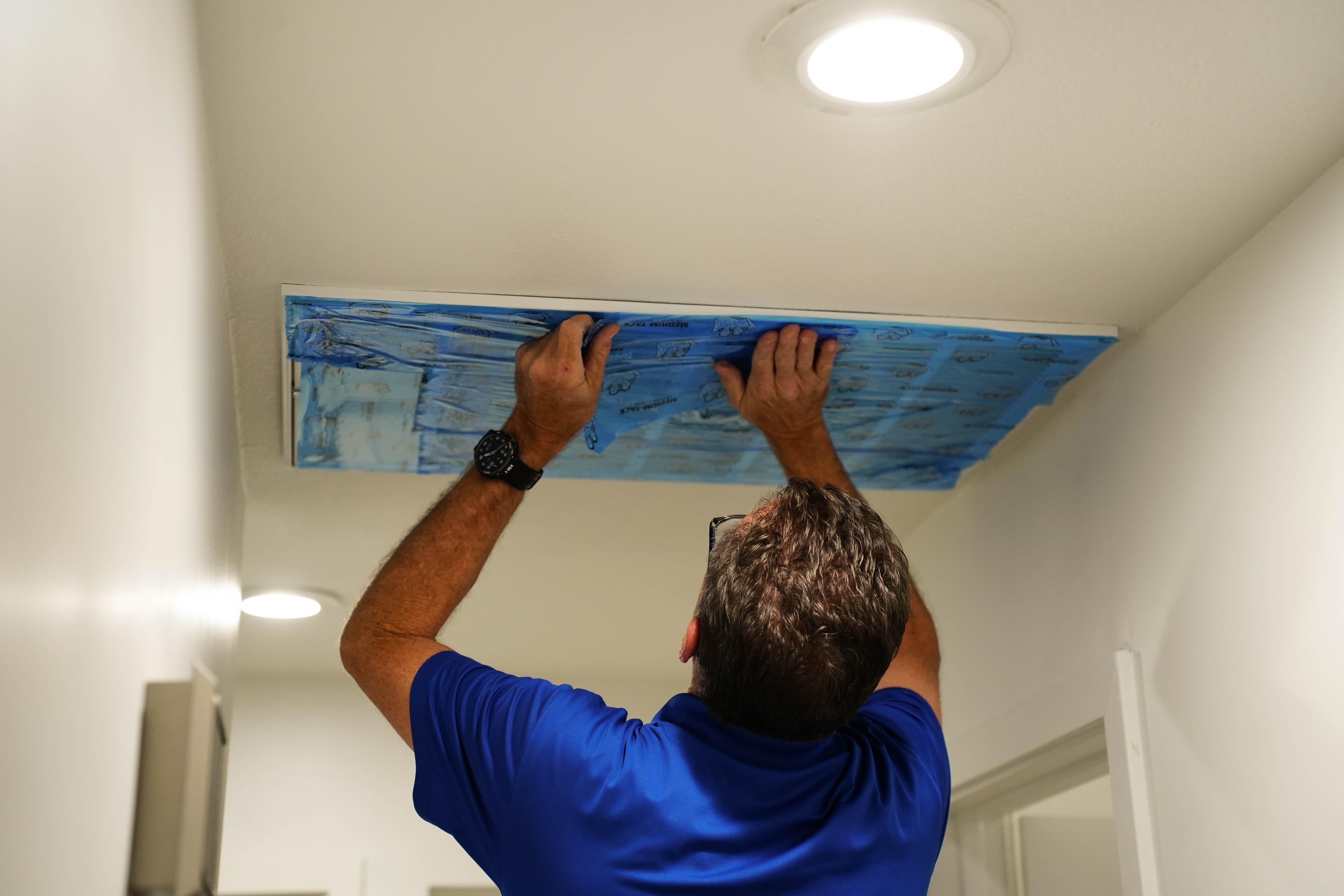
If the AC is running correctly but the home leaks air or heat, the system may still run too long. Attic insulation, duct leakage, air sealing, and solar heat gain can all drive up bills. This is why replacing equipment without checking the house can miss the real problem.
Water heating can also affect utility costs, especially if the system is aging, full of sediment, leaking, or set too high. A hidden hot-water leak can waste both water and energy. Hard-water sediment can make a tank water heater work harder. Tankless units also need maintenance to control scale.
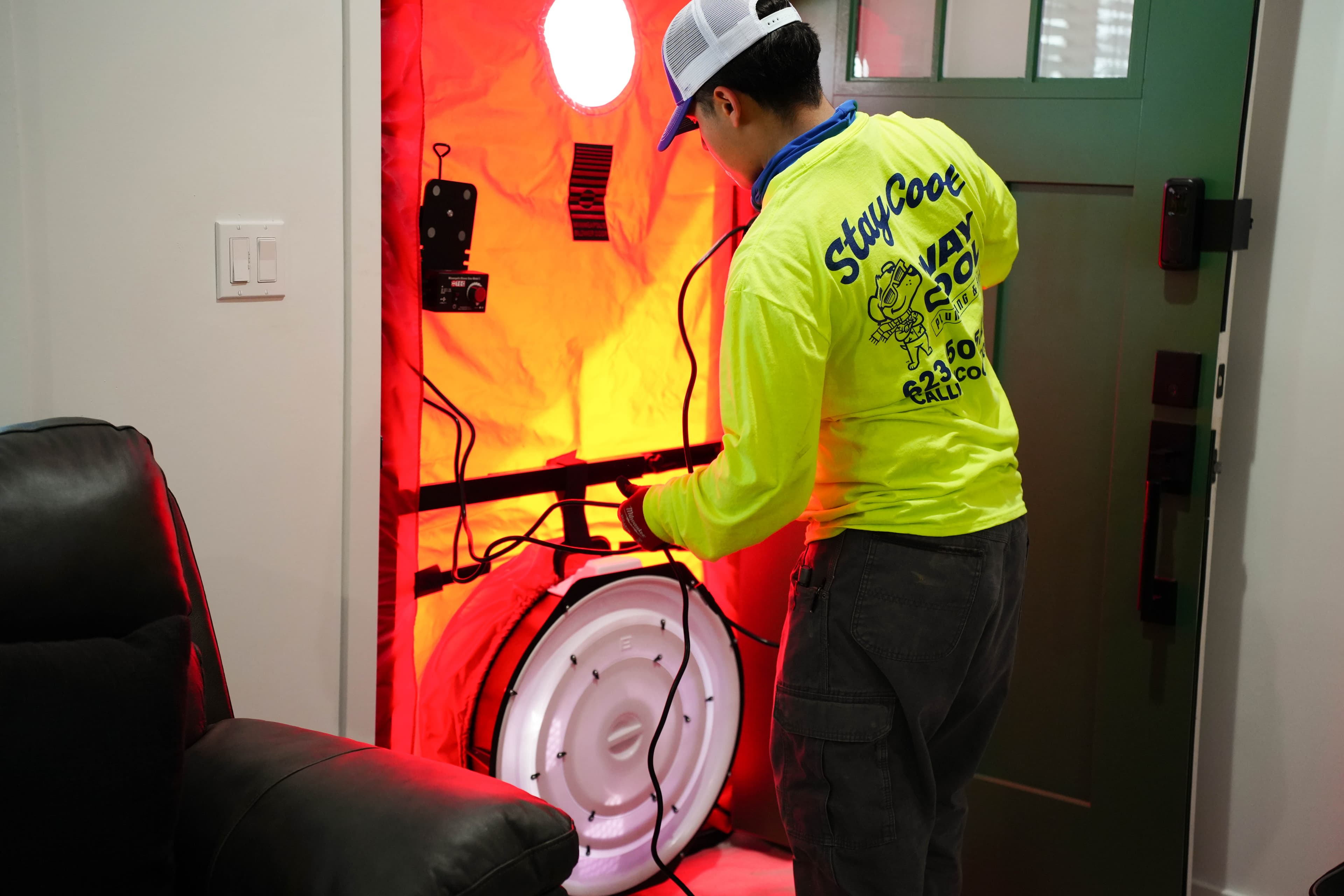
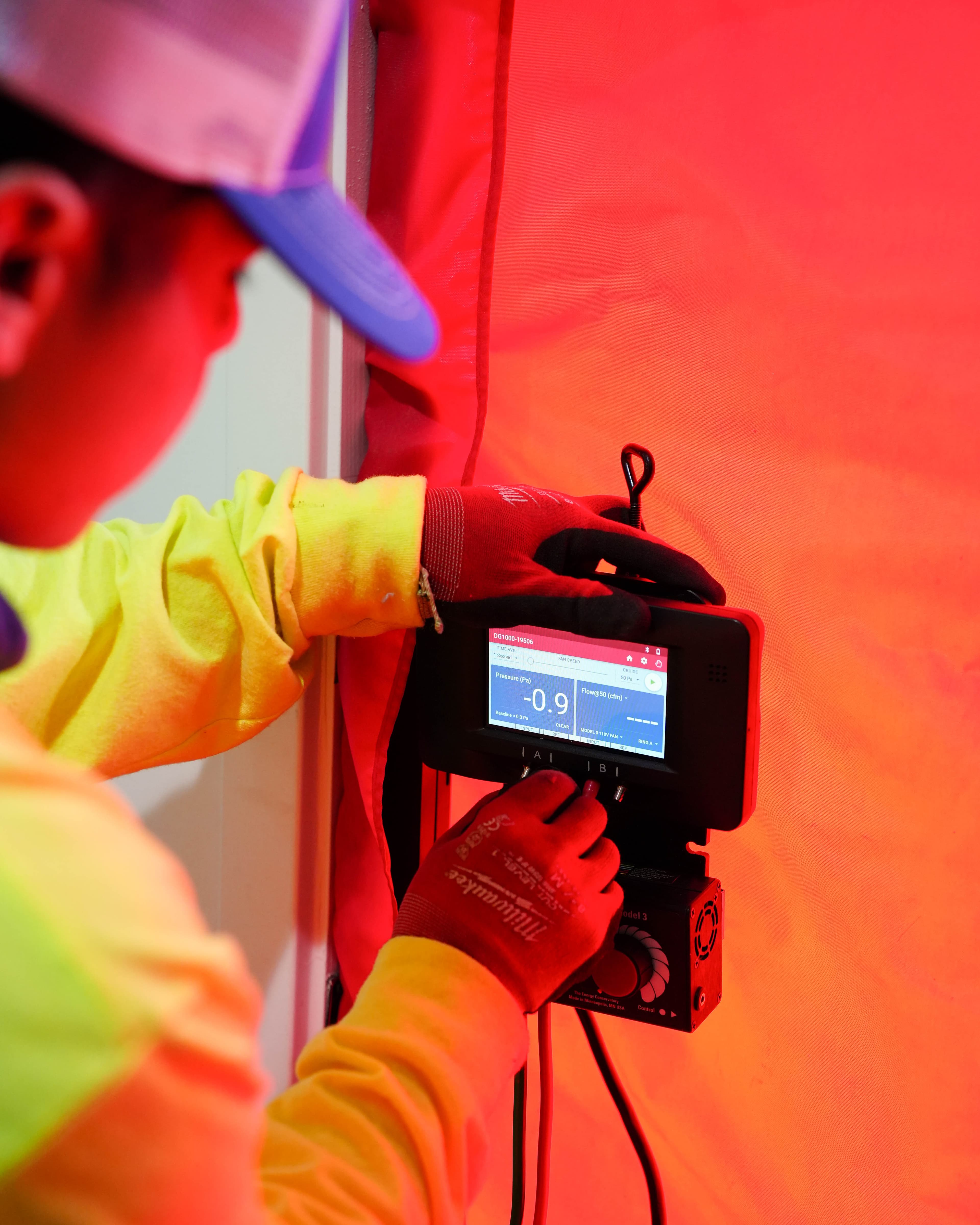
A useful diagnosis compares bills, thermostat settings, equipment performance, duct leakage, insulation, airflow, and plumbing conditions. Way Cool can look at the full picture through HVAC service, plumbing inspection, and home performance auditing. That approach prevents the classic homeowner spiral of changing the thermostat, yelling at the bill, and buying a random gadget online. 1. Compare current bill to last month and same month last year. 2. Check thermostat schedules and filter condition. 3. Look for unusual AC runtime or weak airflow. 4. Inspect water heater and check for leaks. 5. Schedule HVAC diagnostics or a whole-home energy audit if the cause is not obvious.
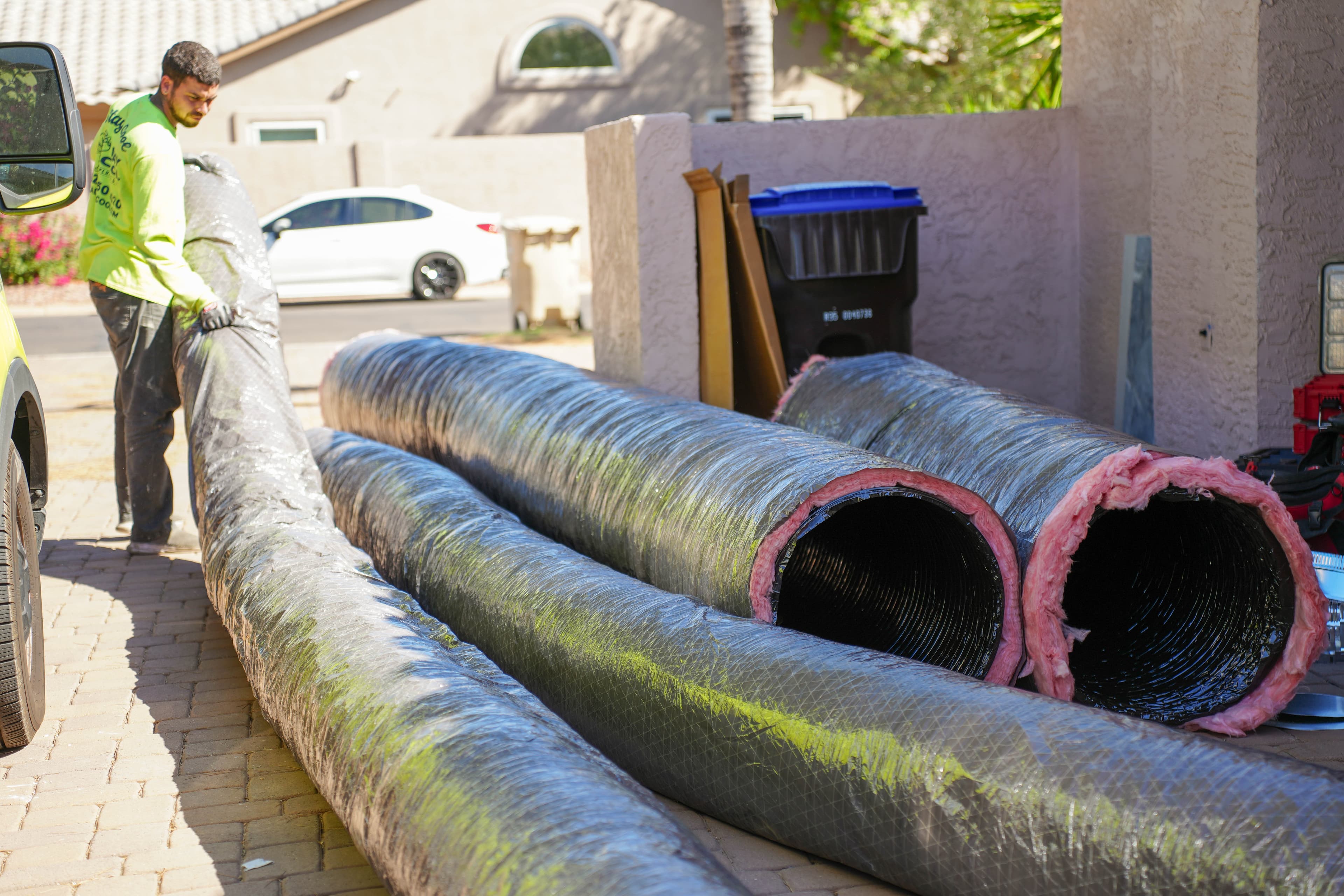
Once you know the cause, spend where it counts. The highest-return fixes are the ones that reduce how hard the AC has to work: sealing duct leaks in a 140-degree attic (leaky attic ducts can dump a large share of your cooled air into the attic, so you pay to cool it anyway), topping up attic insulation, keeping the system clean and correctly charged, and using smart-thermostat setbacks with pre-cooling before peak-rate hours. Those move the number.
Other moves feel productive but barely help, or backfire. Closing vents in unused rooms raises static pressure and can hurt efficiency and even freeze the coil. Buying the highest-efficiency unit on the market will not pay off if it is installed on leaky ducts and thin insulation. And nudging the thermostat down when you are hot does not cool the house faster; it just runs the system longer. Fix airflow and the building envelope first, then worry about equipment.
Call if the bill spike is sudden, the AC runs constantly, rooms are uncomfortable, airflow is weak, water heater performance changes, or you suspect duct leakage or insulation problems. A full diagnosis can identify the cause before you spend money on the wrong fix, which is a surprisingly popular human tradition.
Common causes include hotter weather, longer AC runtime, dirty filters, equipment problems, duct leakage, insulation issues, thermostat changes, utility rate changes, or higher household usage.
Yes. Leaky ducts can waste conditioned air, especially when ducts run through hot attic spaces.
Yes. Aging water heaters, sediment buildup, leaks, or high temperature settings can increase energy use.
If your Phoenix energy bill spiked and the cause is not obvious, schedule Way Cool diagnostics or a home performance audit to find the real culprit.
Schedule online or call. $89 service call, waived with any approved repair.